Turkey
the only muscle meat in the bowl, wild in origin and gentle on digestion
Freeze-dried / ancestral protein
HUNTED WILD, FED GENTLE.
Built around turkey, the wild bird that fed wolves for millennia and one of the gentlest proteins a domestic dog can eat, then layered with real chicken and beef organ for the nutrients turkey alone can't cover. Slow-cooked, blended with garden vegetables, and freeze-dried to lock it in.
Long before there were bags of kibble, wild turkey was one of the few animals abundant and vulnerable enough to be a staple kill across most of the wolf's range, a real part of the ancestral diet, not a marketing invention. Turkey stays the base of every bowl here because it's one of the gentlest proteins a dog can eat: turkey muscle meat is far less likely than chicken or beef muscle meat to set off the immune reactions behind itchy skin, ear infections, and upset stomachs. But turkey alone can't cover everything a dog needs, so each batch is layered with real chicken liver and beef liver. Organ meat carries a different set of proteins than muscle meat, along with nutrients turkey doesn't supply in the same amounts, like iron, copper, and vitamin A. Because the reaction dogs have to chicken or beef almost always targets the muscle protein rather than the organ, most turkey-sensitive dogs tolerate the liver in this recipe without issue, so they get the extra nutrition without the allergy risk.
TurkeyFirst ingredient in every batch, the only muscle meat in the bowl
LowReactivity, even with the chicken and beef organ meat layered in
WildOrigin, turkey has been prey to canids since long before domestication
02 · The Cold Chain
Cooked once. Frozen fast. Never cooked again.
Freeze-drying works through a process called sublimation. Under vacuum and deep cold, the ice crystals inside the food convert directly from solid to vapor, skipping the liquid stage entirely, so there's no extra heat and nothing gets boiled away. It's the closest a bowl can get to what a wolf would have torn into, minus the risk of raw. Everything that survives slow-cooking and prep gets locked in place at the freezer, not cooked away later.
Hr 0
Slow-cook & prep
Turkey is gently cooked through; organs, vegetables, legumes and raw kale are prepped whole.
Hr 2
Batch & blend
Everything is combined in small batches, no purees, no fillers, no rendered meat meal.
−40°F
Flash freeze
The batch is frozen solid within hours, locking the recipe in place before anything degrades.
90 sec
Rehydrate & serve
Add warm beef broth and it's back to a fresh-cooked texture in about 90 seconds, bowl-ready.
Illustrative nutrient retention by method
Freeze-drying vs. freezing vs. drying (dehydrating).
95–98%
Freeze-drying
Food is frozen, then dried under vacuum with no added heat. The ice converts straight to vapor, and with no heat exposure, heat-sensitive vitamins and enzymes are largely left intact. This is the method LaserWolf uses.
80–90%
Freezing (no drying)
Standard freezing with no moisture removed. Nutrients generally hold up well, but ice-crystal formation can rupture cell walls, and some vitamin loss happens gradually over time in the freezer and during thawing.
60–80%
Drying (dehydrating)
Traditional air- or heat-dehydrating uses warm air over several hours. That heat and longer exposure time break down more heat-sensitive nutrients, especially vitamin C and some B vitamins, than freeze-drying does.
These are illustrative, generalized ranges drawn from published food-science comparisons of the three methods, not measured for this specific recipe. Actual retention varies a lot by nutrient and food type, and no single percentage applies across the board; freeze-drying is consistently shown to preserve more heat-sensitive nutrients than heat-based dehydrating, which is why it's the method used here.
03 · The Recipe
One formula. Fifteen ingredients you'd recognize in a kitchen.
No single-ingredient mystery meals and no filler grains. Just cooked turkey, real organs, and a produce drawer's worth of vegetables and legumes.
Protein & organ
Turkey-based, layered with real organ meat
Cooked turkey
Beef liver
Chicken liver
Chicken hearts
Chicken gizzards
Chicken paws
Vegetables & greens
Straight from the produce aisle
Yams
Sweet potatoes
Carrots
Green beans
Kale
Wild blueberries
Pumpkin
Legumes
Fiber and plant protein
Black lentils
Peas
Estimated nutritional profile
Typical values for a recipe like this one, per oz freeze-dried.
26–30%Real protein (est.)
12–16%Real fat (est.)
4–6%Real fiber (est.)
≤1%Moisture (est.), typical for freeze-dried
110–125Calories per oz (est.)
These are typical ranges for turkey-based, freeze-dried recipes with this kind of organ, vegetable, and legume mix, benchmarked against comparable products, not calculated from this exact batch or lab-verified. As noted below, this recipe hasn't been through third-party lab or feeding trials, so treat these as a general guide rather than a guaranteed analysis.
Got an ingredient in mind?
Custom orders are available. If you can find it, I can freeze-dry it. Message on Instagram or call/text 503.489.7399 to talk through what you're after.
A starting point for daily portions by dog size, plus how many days each bag size covers. Every dog burns calories differently, so use this as a baseline and adjust for your dog's age, activity level, and body condition.
90 secWarm water, warm low-sodium beef broth (no onion or garlic), or plain decaffeinated green tea (cooled to warm, no sweeteners) all work. Use about 2 tbsp of liquid per 1 oz of freeze-dried food, poured over the portion, then let it sit for about 90 seconds before serving.
Small dogs
Up to 20 lb · example: 10 lb
About 1 oz of freeze-dried per 10 lb of body weight, daily
A 10 lb dog: roughly 1 oz per day
Rehydrate with about 2 tbsp of water, broth, or decaf green tea
Split across 1–2 meals
Medium dogs
21–50 lb · example: 35 lb
About 1 oz of freeze-dried per 10 lb of body weight, daily
A 35 lb dog: roughly 3.5 oz per day
Rehydrate with about 7 tbsp (a scant ½ cup) of water, broth, or decaf green tea
Split across 1–2 meals
Large dogs
51–90 lb · example: 70 lb
About 1 oz of freeze-dried per 10 lb of body weight, daily
A 70 lb dog: roughly 7 oz per day
Rehydrate with about 14 tbsp (⅞ cup) of water, broth, or decaf green tea
Split across 1–2 meals
Roughly how long each bag lasts, at the daily amounts above
Bag size
Small (10 lb)
Medium (35 lb)
Large (70 lb)
4 oz (sample)
~4 days
~1 day
<1 day
1 lb
~2.5 weeks
~4–5 days
~2 days
3 lb
~7 weeks
~2 weeks
~1 week
5 lb
~11 weeks
~3 weeks
~1.5 weeks
10 lb
~5 months
~6.5 weeks
~3 weeks
Pricing by bag size
Bag size
Price
Per oz
4 oz (sample)
$10
$2.50
1 lb
$38
$2.38
3 lb
$99
$2.06
5 lb
$165
$2.06
10 lb
$299
$1.87 (best value)
Pricing sits a little under comparable freeze-dried raw brands (roughly $2–$3 per oz at retail) to stay competitive and easy to say yes to, still a starting point, not calculated from your own ingredient and packaging costs, so re-check the math after locking in your suppliers. Consider a 10–15% subscribe-and-save discount on recurring orders, which is standard in this category and helps with repeat purchases.
If using broth, choose a plain, low-sodium bone or beef broth with no onion, garlic, or added salt. If using green tea, it should be decaffeinated and unsweetened. Caffeine is toxic to dogs, so regular tea is not a substitute. When in doubt, warm water is always the safe default.
These portions are a general starting guideline (about 1 oz of freeze-dried food per 10 lb of body weight per day), not a lab-measured feeding trial for this specific recipe. Puppies, very active dogs, and seniors often need adjusting up or down. Talk to your vet when starting out or switching diets.
Order online, shipped to your door.
Pick a bag size below for secure checkout via Stripe. Prefer to skip shipping? Find LaserWolf in person at the Gresham Farmers Market, no shipping charge, and you can meet the guy who makes it.
Ships within the continental US via USPS/UPS. Currently shipping Oregon orders only while out-of-state pet food registration gets sorted out, see the note on the checkout page for details.
New season, new customer: first time buying from LaserWolf at the Gresham Farmers Market? Take 15% off your first order at the table, now through the end of market season. Just let us know it's your first time.
05 · The Facts
What's on the label is what's in the bag.
15Whole ingredients, listed in full above, no proprietary blends
1Cook: turkey is cooked once, everything else added raw or freeze-dried straight through
90 secAverage rehydration time back to a fresh-cooked texture in warm beef broth
0Rendered meat meals, artificial preservatives, or synthetic dyes
This recipe hasn't been through third-party lab or feeding trials. The numbers above describe what's in the bag, not a certified nutritional analysis. If your dog has allergies, a medical condition, or you're switching from another diet, talk to your vet before making the change.
A note on peas and lentils.
This recipe includes black lentils and peas, used for fiber and plant protein. If you've read anything about grain-free dog food in the last few years, you've probably seen headlines linking legume-heavy diets to canine dilated cardiomyopathy (DCM), a serious heart condition, so it's worth a straight answer instead of silence.
No study has proven that legumes cause DCM. The FDA is direct about this: legumes "have been used in pet foods for many years, with no evidence to indicate they are inherently dangerous." But the association between pulse-heavy diets (peas, lentils, chickpeas, beans) and DCM hasn't gone away either. A June 2026 update from Tufts University's veterinary nutrition service points to a newly proposed mechanism involving abnormal fat metabolism in dogs on high-pulse diets, and a 2025 review in Veterinary Sciences found peas carried a stronger risk signal than lentils specifically. Ingredient proportion and position in the recipe also appear to matter: most of the commercial diets flagged in FDA case reports used peas or lentils as a primary ingredient, often in place of grain entirely.
Where this recipe stands: turkey and five other animal-based ingredients lead the list; black lentils and peas are the last two of fifteen, included for fiber and texture, not as the primary protein or carbohydrate source. That's a different formulation than the grain-free, pea-first diets most closely tied to reported cases, but it isn't a guarantee. If your dog has a breed predisposition to DCM (Golden Retrievers included), an existing heart condition, or you're feeding this as a sole, long-term diet, talk to your vet and ask about a taurine screening if you're ever unsure. This recipe hasn't been evaluated by a board-certified veterinary nutritionist, and that's the best next step if this matters to you.
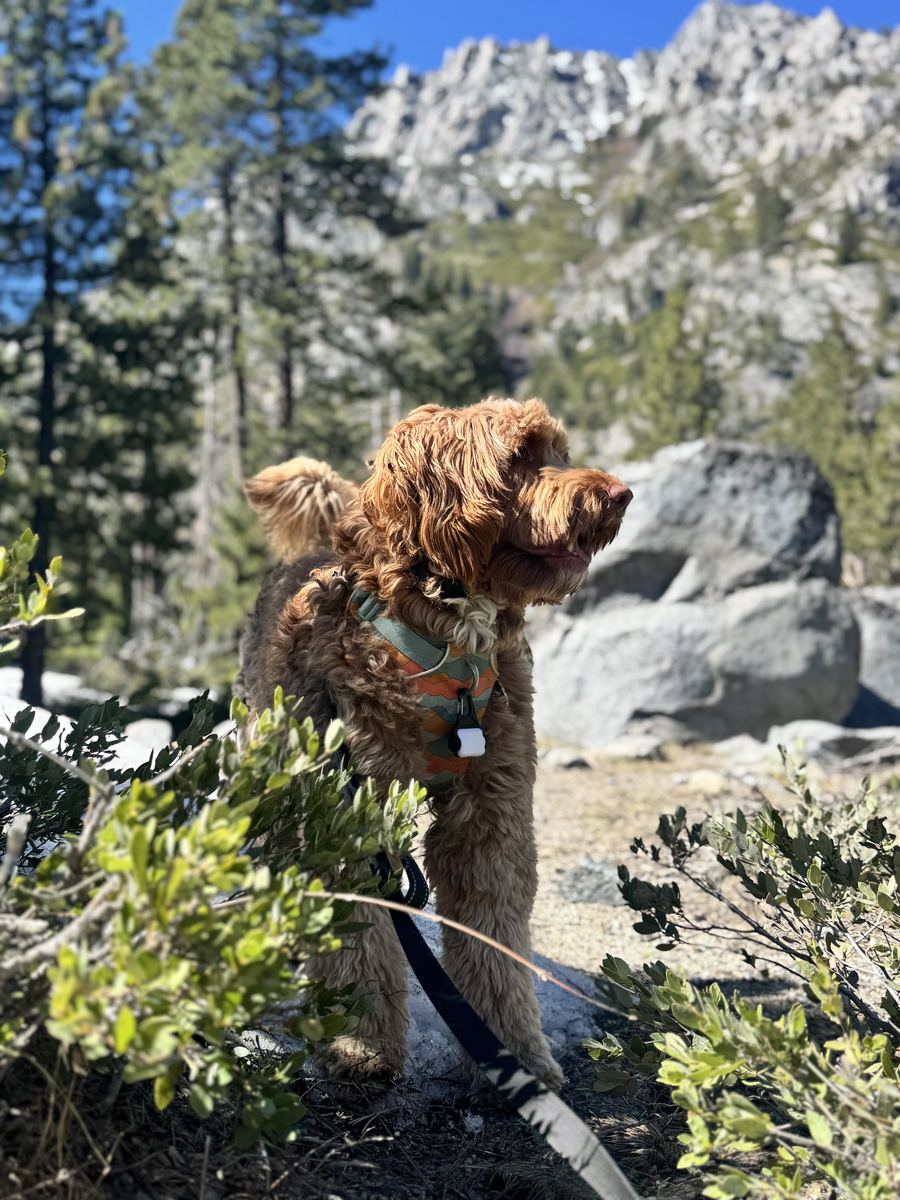
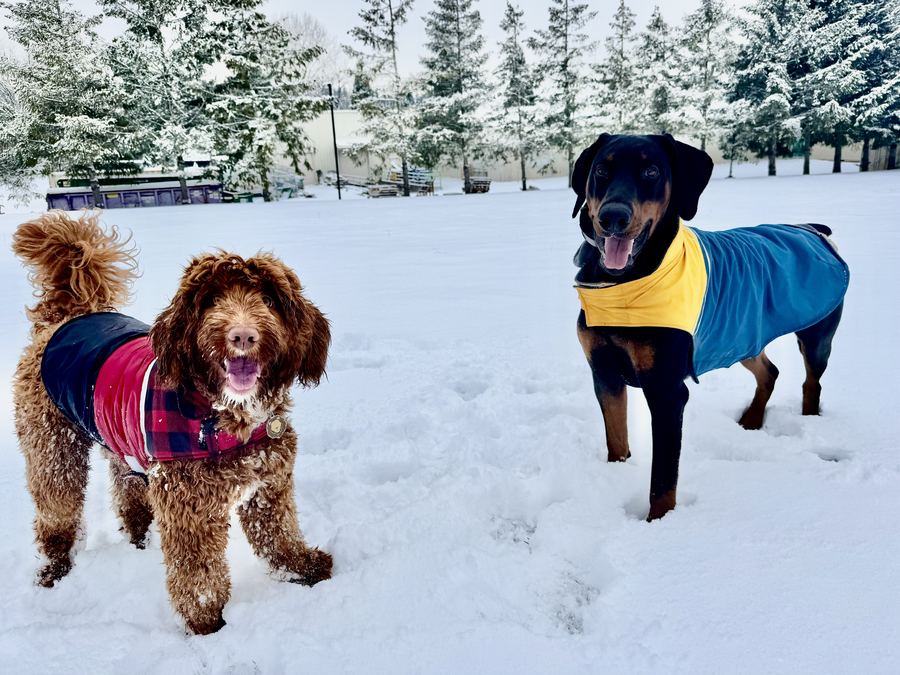
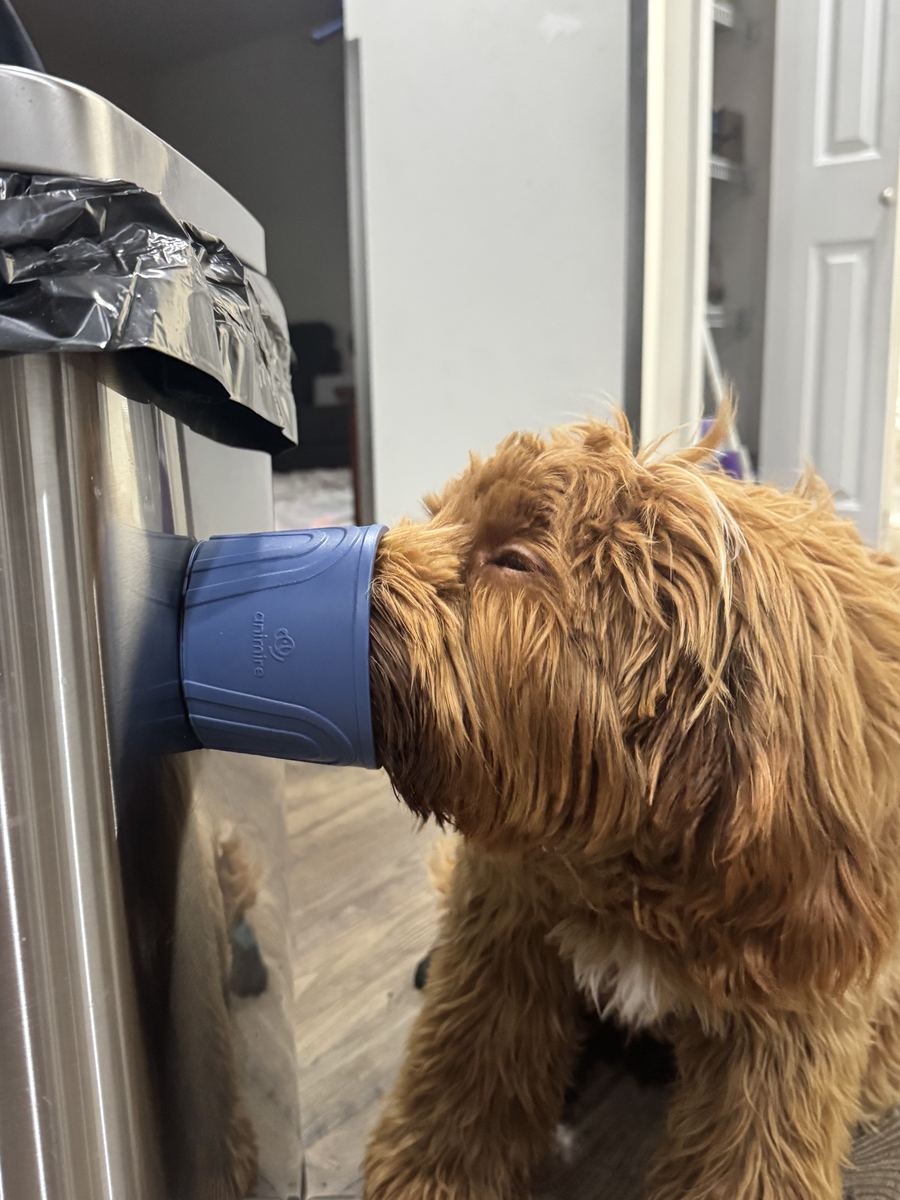
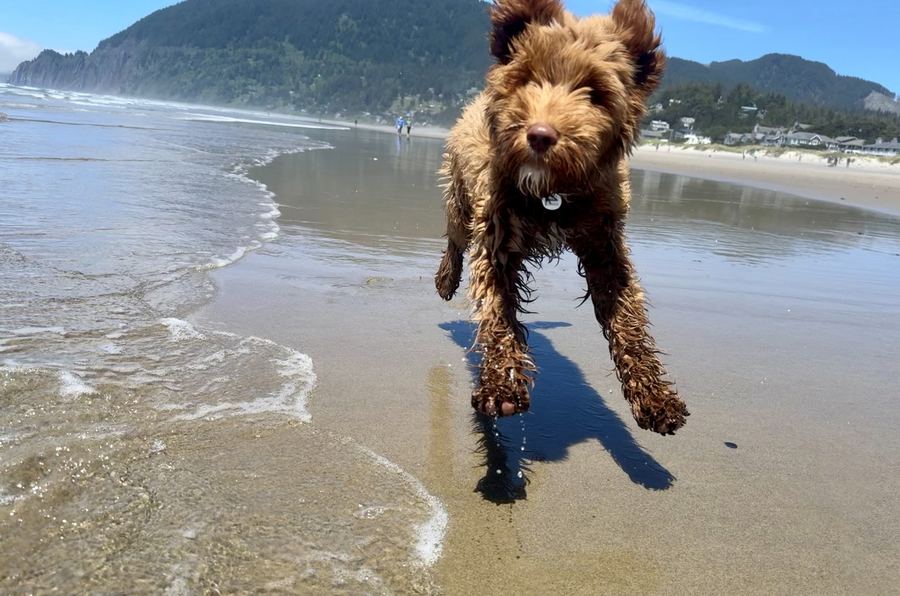
Every batch answers to Leo before it answers to anyone else.
Leo is a labradoodle with zero conflicts of interest and very strong opinions. He does not get a say in the recipe. He gets the final word on whether it was worth cooking.
ON LOCATION · SCOUTING THE NEXT HUNT
FIELD TESTING, SUB-FREEZING CONDITIONS
INSPECTING THE BOWL, PERSONALLY
ZERO NOTES. TAIL UP THE WHOLE WAY
POST-MEAL RECOVERY, MANDATORY
LEO · CHIEF TASTE TESTER · APPROVAL RATING: EVERY SINGLE BOWL
07 · The Pack
Dogs don't lie about food.
Kessler is a malamute who normally picks at his bowl. He finishes every scoop of this and asks for more.
Kessler · Malamute, 4 · owner Dana R.
Our rescue mutt has a sensitive stomach. This is the first food with organ meat in it that hasn't upset him.
Nash · Mixed breed, rescue · owner Priya K.
I like that I can read every ingredient out loud and know what it is. That's rare in this aisle.